
Knowing how to choose a 3D exterior rendering company comes down to evaluating ten measurable criteria: portfolio depth across asset types, render engine and lighting fidelity (path-traced GI, HDRI-based sky systems), turnaround SLAs, revision policy, and post-production delivery standards. A studio that scores well on all ten will consistently produce photorealistic, presale-ready visuals on schedule, while an average vendor will falter on at least two or three of these benchmarks under real project pressure. This guide breaks down each criterion so developers, architects, and marketing teams can vet a rendering partner with confidence.
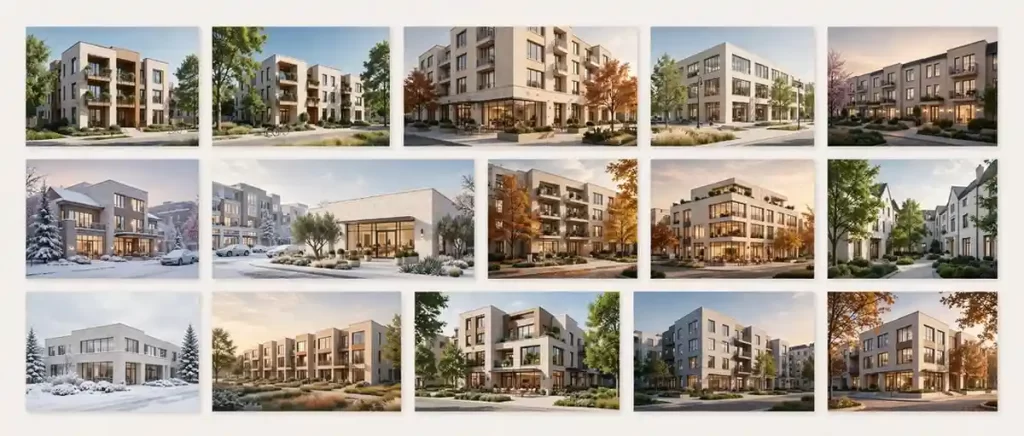
Choosing wrong is expensive. A missed deadline on a presale campaign, an inconsistent material library across a 40-unit townhome development, or a render that looks “off” in a listing photo can quietly cost a developer thousands of dollars in stalled sales momentum. That is exactly why the vetting process deserves more rigor than a five-minute portfolio scroll. If you are comparing vendors right now, working with a premium 3D exterior rendering studio that has already solved these production bottlenecks for residential, commercial, and mixed-use projects will save you from learning these lessons the hard way.
This article walks through the ten criteria that reliably separate a great 3D exterior rendering partner from an average one, along with the common mistakes buyers make, expert vetting tips, and a step-by-step process you can follow before signing a contract.
What Makes a 3D Exterior Rendering Company “Great” vs. “Average”?
In short: a great 3D exterior rendering company combines first-hand production experience, a modern rendering pipeline, transparent pricing, and dependable turnaround, while an average one typically wins on price alone and quietly compromises on lighting accuracy, revision flexibility, or communication. The gap rarely shows up in the sales pitch. It shows up mid-project, when a deadline slips or a render needs a fourth revision that was never scoped.
Here is a quick-reference summary before we go deeper into each factor.
| Criterion | Great Rendering Company | Average Rendering Company |
|---|---|---|
| Portfolio | Diverse: single-family, multifamily, mixed-use, commercial | Narrow, repetitive style |
| Technology | Modern path-traced engines (V-Ray, Corona, Enscape) | Outdated or unclear render engine |
| Turnaround | Defined SLA, typically 3–7 business days | Vague or “depends” answers |
| Revisions | 2–3 rounds included, clear scope | Unlimited promised, quietly capped later |
| Communication | Dedicated project lead, scheduled check-ins | Email-only, slow replies |
| Pricing | Itemized quote, no hidden add-ons | Flat “per image” quote with surprise fees |
| References | Verifiable case studies with named clients | Generic testimonials, no context |
| Delivery | Print and web-ready formats, organized files | Single low-resolution JPEG, no layers |
| Scalability | Can handle 20+ unit rollouts on schedule | Struggles past 2–3 renders at once |
| Experience | Understands your asset type’s presale goals | Treats every project the same |
1. Portfolio Diversity and Project Complexity

The first and most obvious filter is the portfolio, but most buyers stop at “do the images look nice?” That is the wrong question. Instead, ask whether the studio has handled the specific asset type and complexity level you need.
A rendering company that has only ever produced single-family suburban homes will struggle with a fourteen-story mixed-use tower with retail podium, courtyard amenities, and varied material zones. Conversely, a studio built for large commercial massing may over-engineer a simple spec-home render and overcharge for it.
When reviewing a portfolio, look for:
- Range of building types: residential, purpose-built rental, commercial, and mixed-use.
- Site context handling: how landscaping, adjacent structures, and street-level detail are rendered.
- Consistency across a series: if you need 15 unit-type renders for one development, ask to see an existing 15-image set, not just individual highlights.
- Time-of-day and seasonal variation: dusk shots, daylight shots, and snow or foliage variants all require different lighting expertise.
For a deeper look at how rendering needs shift depending on the audience and sales stage, this breakdown of 3D exterior renderings used in real estate pre-sales campaigns is a useful next read.
2. Rendering Engine and Technology Stack

Photorealism is a function of the underlying render engine, not just artist skill. Studios using modern, physically based path-tracing engines such as V-Ray, Corona Renderer, or Enscape can produce accurate global illumination, realistic material response, and true-to-life shadow behavior. Studios still relying on older scanline or unbiased-only workflows without GPU acceleration tend to produce flatter, less convincing results, and take longer to do it.
Ask a prospective vendor directly:
- Which render engine do you use as your primary pipeline?
- Is your lighting HDRI-based or manually lit?
- Do you render at native 4K or upscale from lower resolution?
- What is your standard sampling/noise threshold for final delivery?
If a vendor cannot answer these questions with specifics, that is a signal they are outsourcing the technical decisions or don’t have a standardized pipeline. For a side-by-side technical comparison, see this guide on the best rendering engines for exterior architectural visualization.
3. Turnaround Time and Revision Policy

Turnaround time is where average vendors most often disappoint. A “we’ll get it to you soon” answer during the sales call almost always turns into a missed internal deadline once the project starts.
A great rendering company will give you a defined service-level agreement, typically:
- 3-5 business days for a single standard exterior view.
- 7-10 business days for a full package covering multiple angles, time-of-day variants, and site plan context.
- Rush options clearly priced as a percentage premium, not an open-ended negotiation.
Equally important is the revision policy. Ask exactly how many rounds of revisions are included, what counts as a “revision” versus a scope change, and whether revision requests reset the delivery clock or run in parallel. Vague answers here are one of the most common sources of project friction later.
4. Communication and Design Collaboration Process

Exterior rendering is an iterative, visual process, and it depends on tight feedback loops between your team and the artist. A studio that routes every request through a generic support inbox will slow your project down, especially on complex developments with multiple stakeholders (architect, developer, marketing team) who each have opinions on materials and landscaping.
Look for a vendor that assigns a dedicated project lead or account manager, offers structured check-in points (concept approval, massing lock, material review, final polish), and can walk you through their standard 3D exterior rendering workflow before you sign anything. Studios that document their process are, in practice, the ones that actually follow it.
5. Photorealism Quality and Lighting Accuracy

Photorealism is not just about resolution; it is about whether a viewer’s brain reads the image as “real” within the first second. This depends heavily on lighting accuracy, material response under different light sources, and correct atmospheric perspective (haze, depth cueing) for distance.
Signs of strong lighting work include:
- Soft, physically accurate shadow falloff rather than harsh, uniform shadows.
- Correct sun angle and color temperature for the stated time of day and geographic location.
- Reflective materials (glass, water, polished stone) that pick up the surrounding environment rather than a flat gray.
- Believable ambient occlusion in corners, under eaves, and where surfaces meet.
If you want a benchmark for what buyers actually compare renders against, this ROI-focused analysis of 3D exterior rendering versus architectural photography is worth reviewing.
6. Industry-Specific Experience

Not every exterior rendering job serves the same purpose. A single-family home builder needs renders optimized for buyer emotion and lifestyle appeal. A purpose-built rental developer needs renders that emphasize amenities and unit variety at scale. A commercial developer needs renders that read well in institutional investor decks. A studio that understands these differences will make smarter creative decisions without you having to spell out every detail.
This is why it is worth asking a vendor to show examples specifically from your asset category, whether that is single-family home builders or purpose-built rental communities, rather than accepting a generic “we do everything” answer.
7. Pricing Transparency and Value

Price alone is a poor filter, but pricing structure tells you a lot about how a studio operates. Great vendors provide an itemized quote broken down by view, revision round, and any add-ons (landscaping detail, night renders, animation). Average vendors quote a single flat number per image and then surprise you later with fees for “extra” revisions or file formats.
Before committing, request a written quote that specifies:
- Cost per unique camera angle.
- Number of included revision rounds.
- Cost for rush delivery.
- File formats and resolutions included at that price.
For a full breakdown of what drives cost up or down across project types, this 3D exterior rendering cost and price guide covers typical market ranges.
8. Client References and Case Studies
Testimonials on a website are easy to fabricate; verifiable case studies are not. A great rendering company should be able to name specific clients (with permission), describe the project scope, and explain how their renders were used, whether in a sales gallery, a zoning submission, or a marketing campaign.
When requesting references, ask the previous client two direct questions: did the studio hit its stated deadlines, and how did they handle mid-project revision requests. Both answers will tell you more than any portfolio image.
9. Post-Production and File Delivery Standards

The render itself is only half the deliverable. A professional studio will hand off organized, print- and web-ready files rather than a single flattened JPEG. Expect layered files (PSD or similar) for future edits, multiple resolution exports for different platforms, and clear file naming conventions if you are ordering renders in bulk for a development.
This detail matters especially at scale. If you are ordering 20-30 unit-type renders for a rental community rollout, disorganized delivery can create real friction for your marketing team down the line, an issue covered in more depth in this look at the stages of 3D exterior rendering for real estate developers.
10. Scalability for Large or Recurring Projects
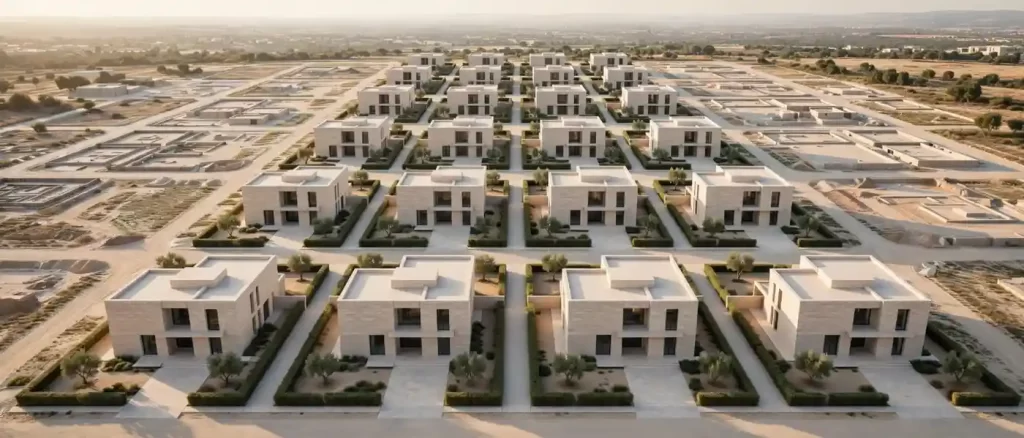
Finally, consider whether the studio can actually scale with your pipeline. A boutique freelancer might produce a beautiful single hero image but buckle under a 25-unit request with a tight collective deadline. A company built for scale will have a team structure, quality-control checkpoints, and consistent output across a large batch, not just a single artist’s individual style.
If you expect recurring work across multiple phases or projects, ask directly how many concurrent renders the studio can produce per week without quality dropping, and request a sample of a past bulk delivery.
In-House Team vs. Outsourced Rendering Studio
Many developers also weigh whether to build an in-house visualization team versus outsourcing to a dedicated rendering company. Here is how the two typically compare.
| Factor | In-House Team | Outsourced Rendering Studio |
|---|---|---|
| Upfront cost | High (salaries, software licenses, hardware) | Low, pay-per-project |
| Scalability | Limited by headcount | Flexible, scales with demand |
| Speed on single projects | Fast once trained | Fast, with defined SLAs |
| Style consistency | High, one internal team | High, if the same studio is used repeatedly |
| Best suited for | Large firms with constant, year-round volume | Developers with variable or seasonal volume |
Common Mistakes Buyers Make When Choosing a Rendering Partner
Even experienced developers repeat a few avoidable mistakes during vendor selection.
- Choosing on price alone. The cheapest quote often excludes revisions, rush options, or high-resolution delivery that you will need later.
- Skipping the reference check. A polished portfolio does not guarantee reliable turnaround on your actual timeline.
- Not confirming the render engine. Some vendors subcontract renders to third parties with inconsistent quality, which shows up as style drift across a project series.
- Vague revision agreements. Without a written cap and definition of “revision,” scope creep becomes a recurring point of friction.
- Ignoring file delivery formats. Discovering too late that you only received low-resolution JPEGs, with no layered files for future marketing edits, is a common and costly surprise.

Expert Tips for Vetting a Rendering Company
- Request a paid test render of one small element before committing to a full project; this reveals real turnaround speed and quality under production conditions, not just portfolio quality.
- Ask to see a raw, unretouched render alongside the final polished version to understand how much of the “wow factor” comes from post-production versus the render engine itself.
- Confirm whether CAD or Revit files are required upfront, and how the studio handles incomplete or evolving architectural drawings, since this is one of the most frequent delays in real projects.
- Clarify ownership and usage rights for the final renders in writing, especially if you plan to use them across multiple marketing channels or resell them to future buyers.
Step-by-Step Process to Choose a 3D Exterior Rendering Company
- Define your project scope: number of views, building type, deadline, and intended use (sales gallery, permit submission, marketing campaign).
- Shortlist 3-5 studios based on portfolio relevance to your specific asset type.
- Request itemized quotes that break down cost per view, revisions, and file formats.
- Check references by asking past clients about deadline reliability and revision handling.
- Order a small paid test render if the project is large or high-stakes.
- Confirm the delivery format in writing before the project kicks off.
- Lock the SLA and revision cap into a signed agreement before work begins.

Frequently Asked Questions
How do I choose a 3D exterior rendering company for a large development?
For large developments, prioritize studios with proven scalability, a documented workflow, and references from similarly sized projects. Request a sample of a past bulk delivery to confirm consistent quality across many units.
What should I look for first when comparing 3D exterior rendering companies?
Start with portfolio relevance to your specific building type, then verify the render engine and lighting approach, since these two factors most directly affect photorealism.
How much does professional 3D exterior rendering typically cost?
Pricing varies by view complexity, revisions, and turnaround speed, and can range from a few hundred to several thousand dollars per image depending on project scope.
How many revision rounds should be included in a rendering quote?
Most reputable studios include two to three rounds of revisions in a standard quote. Anything unlimited or undefined should be clarified in writing before the project starts.
What file formats should a rendering company deliver?
Expect both web-optimized and print-ready resolutions, along with layered source files if future edits are anticipated.
Conclusion


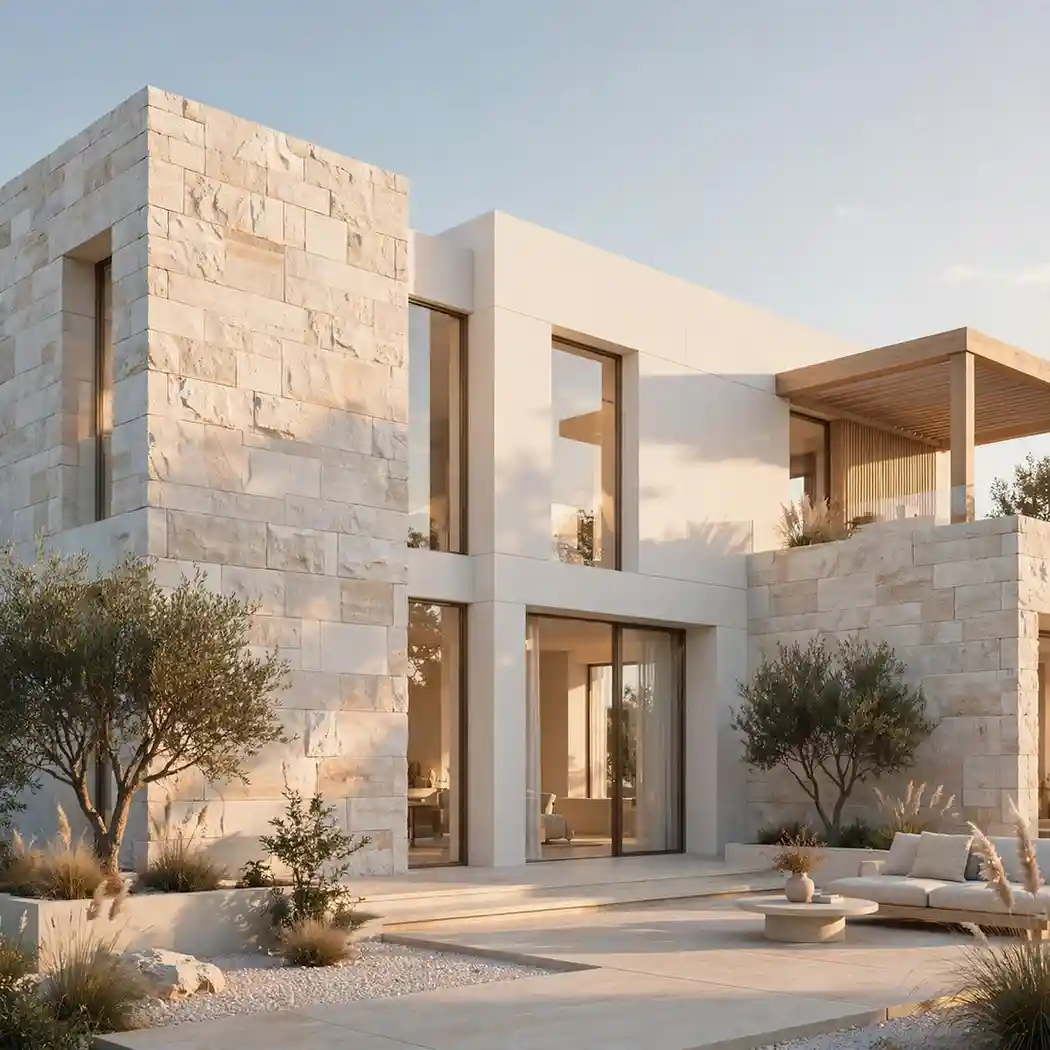
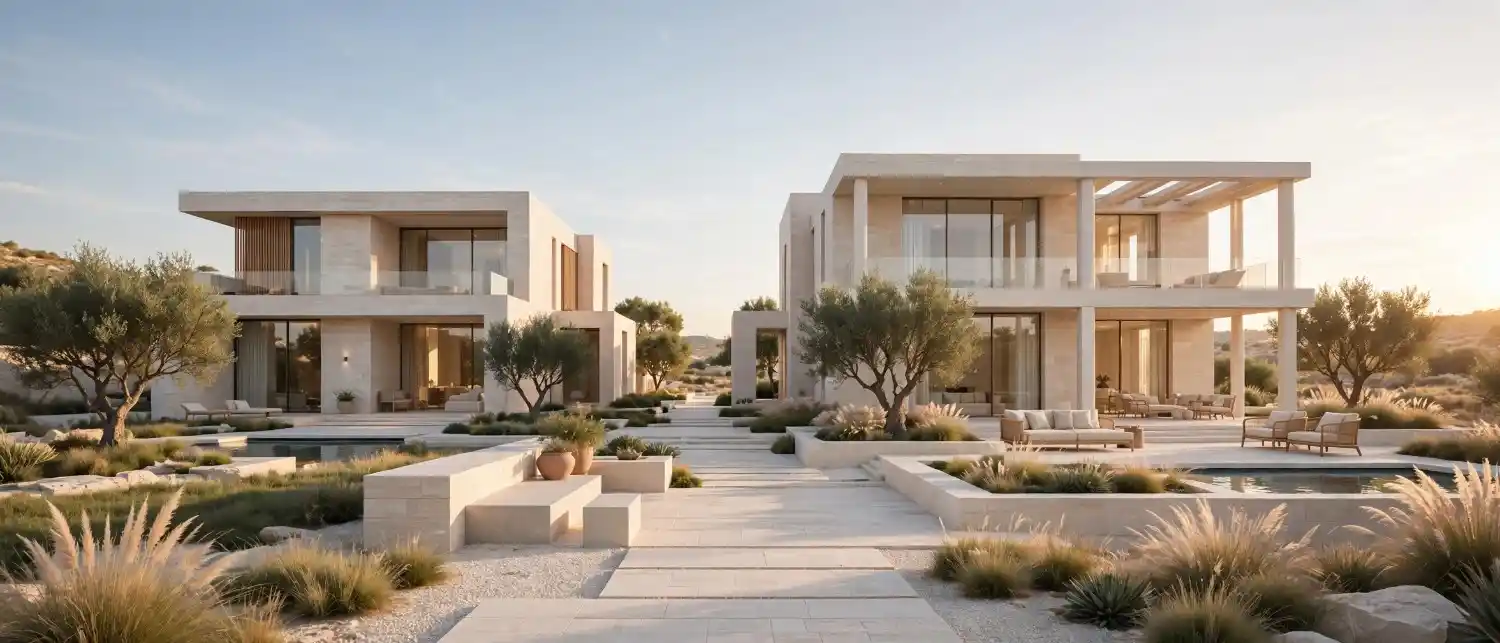
Choosing the right partner ultimately comes down to matching a studio’s proven strengths, portfolio depth, render engine, turnaround discipline, and delivery standards, against the specific demands of your project. A vendor that checks all ten criteria will feel less like a supplier and more like an extension of your development or marketing team. If you are ready to move forward with a partner that has already built this track record across residential, commercial, and mixed-use projects, and see how a structured, transparent process changes the outcome of your next presale campaign.